Literary Fairy tales from Italy and France

In class, we will discuss how myths and folktales contribute to the development of Literary Fairy Tales. (Note: If we read these stories (“Sun, Moon, and Talia” and “Bluebeard”), you can skip the story we looked at below.)

This first story is from the writer Giambattista Basile, whose collection known as Il Penteramone (subtitled: Lo cunto de li cunti, “The Tale of Tales”) which set down many tales being told around Europe and marks some of the oldest versions of these type of stories to be written down. The collection wasn’t published until after his death by his sister Adriana in Naples in 1634. The collection served as one of the inspirations for the Grimms’ project nearly two hundred years later.

Painted illustration of a a group of medieval courtiers including a woman in a long yellow gown with a train, a raised stage with another assortment of courtiers next to a cradle. A young man with a lute stands midway playing a lute.
Page from Il Pentamerone, Giambattista Basile, E. F. Strange, 1911; Public domain, via Wikimedia Commons

It is an old saying, that he who seeks what he should not, finds what he would not.

“How the Tales Came to be Told” – the first line of Basile’s Il Penteramone

The story you’ll be reading from this collection is called “Sun, Moon, and Talia” and is a form of a “Sleeping Beauty” story.

This is a very different story than you might know from Disney and has some extremely troubling elements relating to sexual consent and violence.

Painting of a man on a white horse in the lower left corner accompanied by a large black dog. A tall tree rises near him and a hill in the distance has a castle. A hawk flies in the top right.
Illustration for “Sun, Moon, and Talia” by Warwick Gable, 1911; Public Domain

Read

Sun, Moon, and Talia

Via Folklore and Mythology Electronic Texts, edited by D.L. Ashliman

You can read the text linked above or listen to the story below. (Note that the text and the voice recording may differ as this story has been translated.)

Silhouette illustration of a courtyard with a girl in rags, a pumpkin mid transformation and a women with a tall pointy hat and her arms raised
Arthur Rackham, illustration for Cinderella, 1919; Public Domain via WikiMedia Commons

Charles Perrault

Perrault was a French artistocrat, who, in 1697, published Histoires ou contes du temps passé. (Stories of Past times), which is subtitled “avec des moralités” or “with morals.” It also was known as Mother Goose Tales (though Mother Goose became more known for the association with nursery rhymes later on), implying authorship by an imaginary ‘mother’ or nurse figure from whom the tales were first heard. Perrault wrote and embellished these stories and had an enormous impact on later variations.

Charles Perrault’s version of “Cinderella” is closest to the version that was animated by Disney, pumpkin and all. His rendition of Sleeping Beauty retains elements of Basile’s, specifically the evil queen/ogre trying to eat the children.

Read

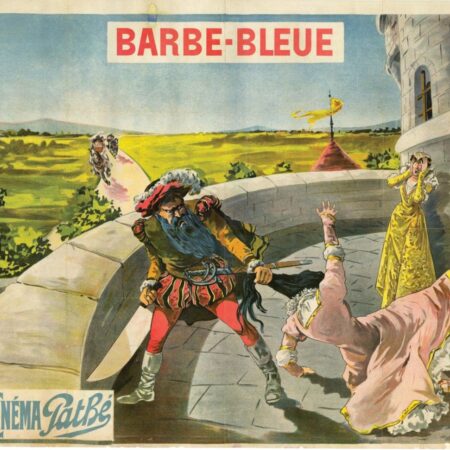
Bluebeard

Via Folklore and Mythology Electronic Texts, edited by D.L. Ashliman

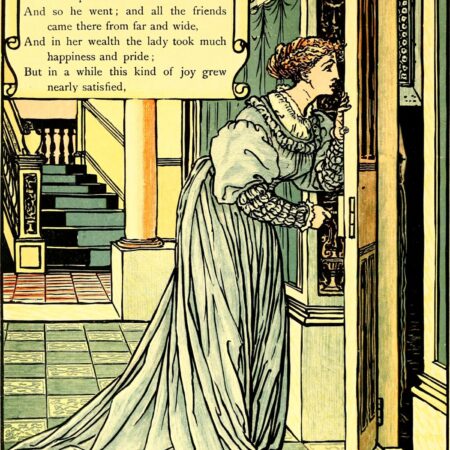
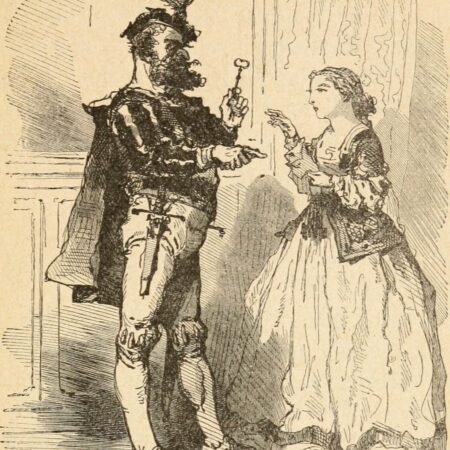
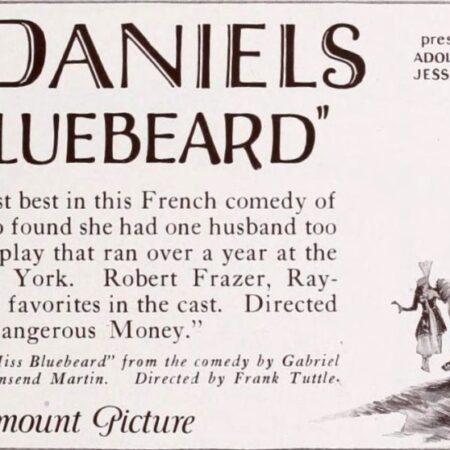
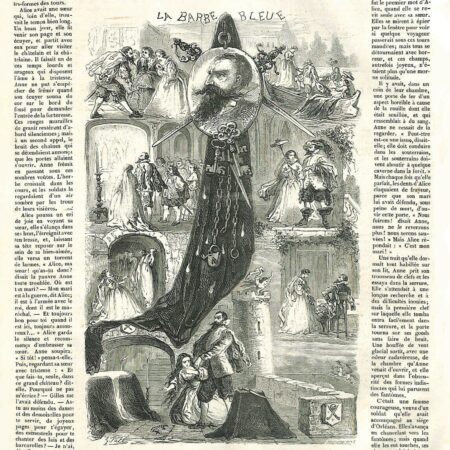
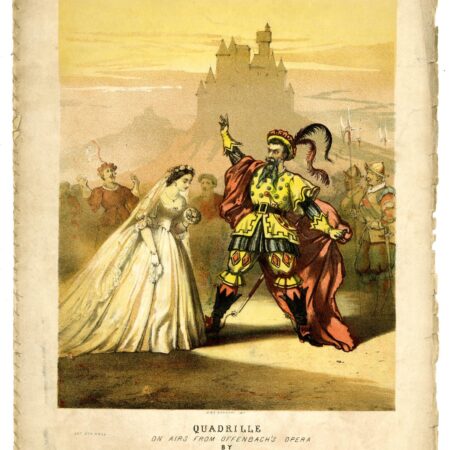
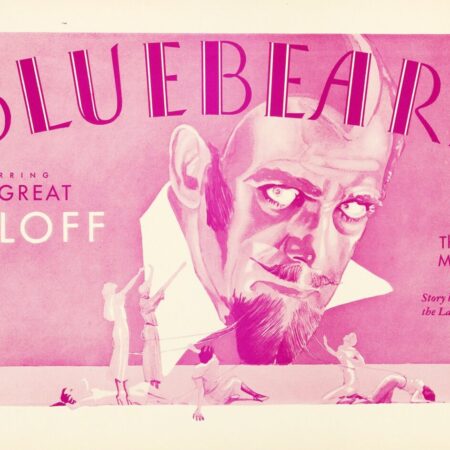
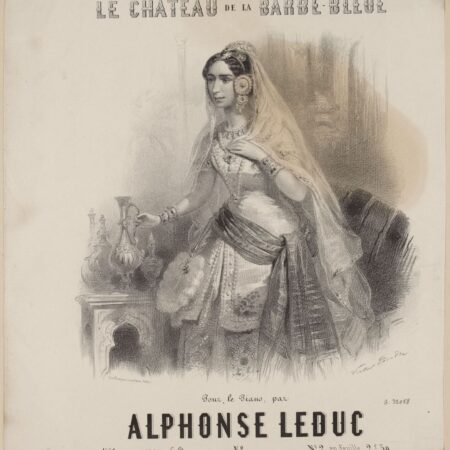
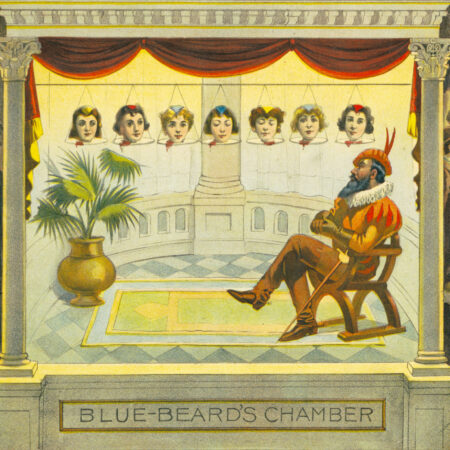
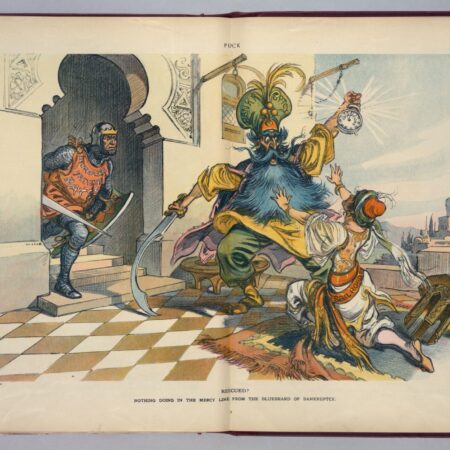
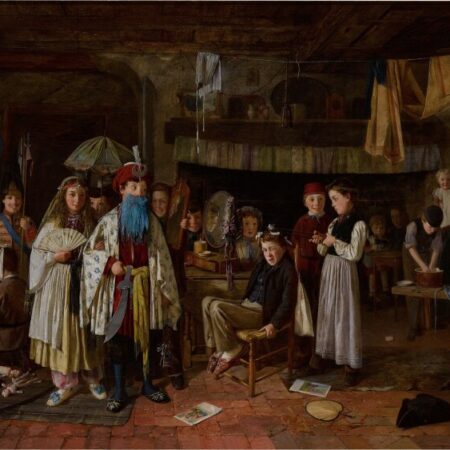
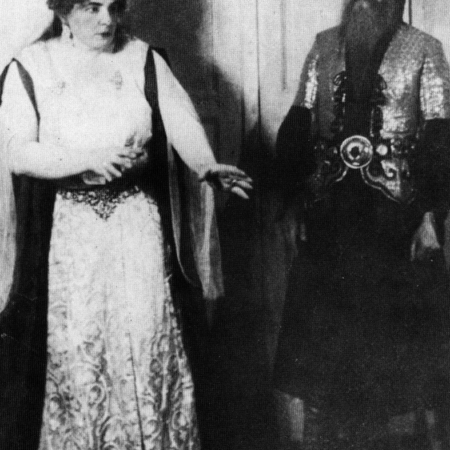
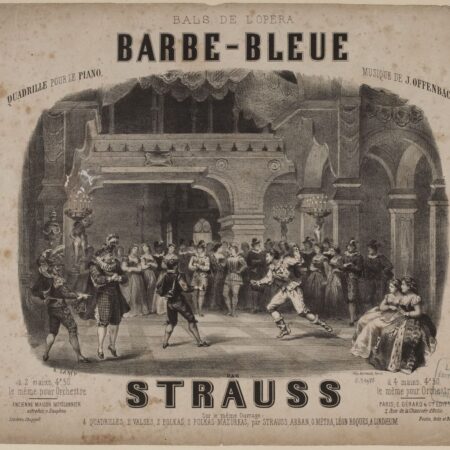
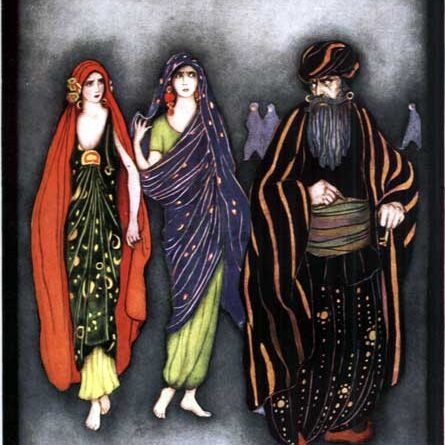
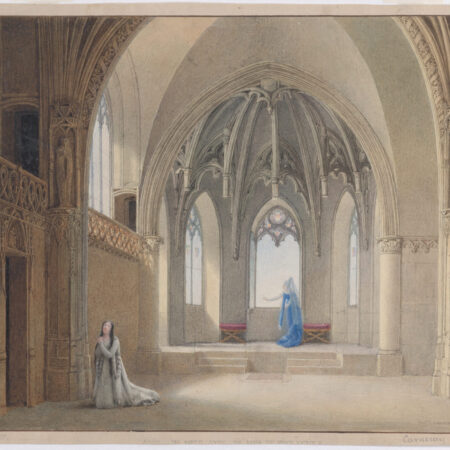
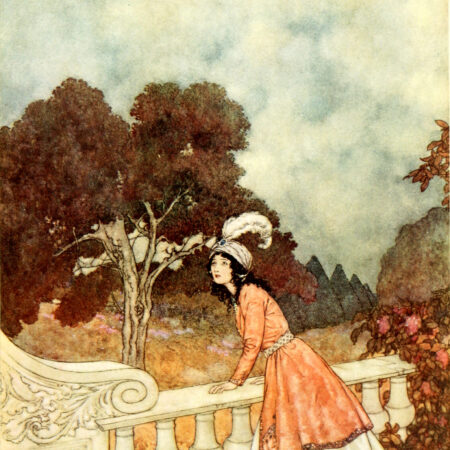
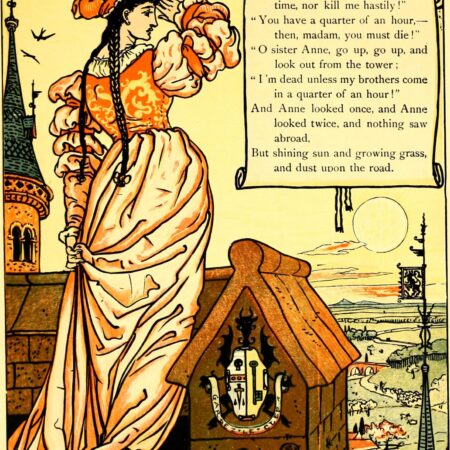
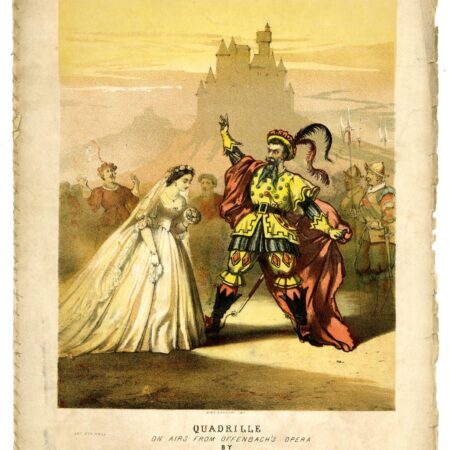
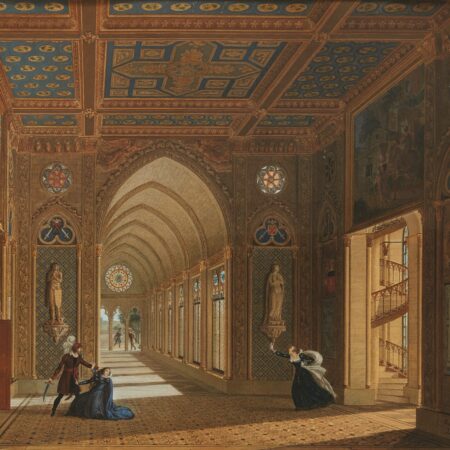
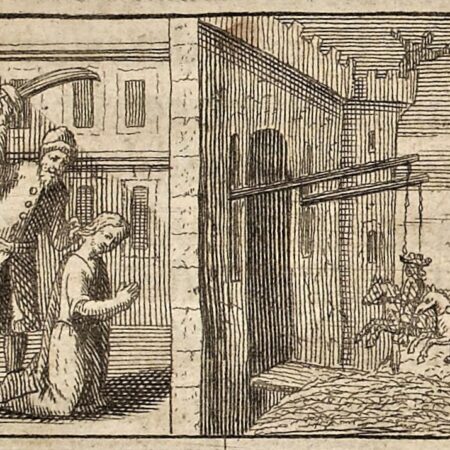
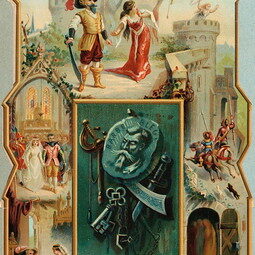
Gallery of various Bluebeard depictions
Comments

25 responses to “Literary Fairy tales from Italy and France”

  1. Natasha Marques Avatar
    Natasha Marques

    I felt these tales spoke to the upper audience by showing them that they were superior and could do whatever they wanted. Commit horrible crimes and get away with it. As for the lower class it spoke to them showing them that they can be saved if they do what is told.

    1. Quesia Cruz Avatar
      Quesia Cruz

      Hi, I agree that they felt superior and wanted to show their audience it.

  2. hannah xhani Avatar
    hannah xhani

    How might these tales speak to an upper class audience?
    I first want to begin with the quality of word usage of these text to be advanced and kind of complicated for maybe someone who did not receive a proper education or had a good English teacher. The context as well regarding ranking and power was maybe something that the upper class might have related more to and fancied the challenges of being in a throne.
     What about a lower class one?
    Now when we consider the lower class we can talk about struggles and relationship obstacles that often times are more real in these communities. There was also a side of power and like Natasha had mentioned that the lower class also had some benefit to their postition of freedom and following directions to being saved.

  3. Aya Ibrahim Avatar
    Aya Ibrahim

    I feel that these tales may speak to an upper class differently as opposed to a lower class in that the upper class may be entertained at hearing the story and not really take the moral lessons of each respective story into account, and that the tales may serve as a warning or empower those who are of lower class that may be more likely to relate to characters such as the cook and clerk who have more ordinary roles in the story but find themselves in dangerous situations at the hand of more powerful and wealthy characters such as the king and queen.

  4. Obeed Ahmed Avatar

    These stories, in my opinion, addressed the upper class audience by demonstrating to them their superiority and freedom to behave as they pleased. You can commit heinous crimes and escape punishment. For the lower classes, it demonstrated to them that they could be saved provided they followed instructions.

  5. Hanan Almoflihi Avatar
    Hanan Almoflihi

    These stories might be a way for the people of lower classes to have a better feeling about their class. Often when they read these stories about the upper class being so troubled they feel better and more down to earth, and become more happy with their not being upper class.

  6. Badra Ahmad Avatar
    Badra Ahmad

    For the upper class, the stories may simply entertain without deeply considering the moral lessons, possibly reinforcing notions of superiority and impunity. For the lower class, these narratives could serve as cautionary tales or sources of empowerment, particularly when characters of ordinary roles face challenges from more powerful figures.

  7. Ekaterini Fasarakis Avatar
    Ekaterini Fasarakis

    These stories may pertain to the upper class because they ensure their position as higher up and power above everyone else. It also demonstrates how the upper class may do as they please because they are of that higher power. As for the lower class, these stories are more relatable as they occupy ordinary jobs just as the characters do in the story compared to kings and queens.

  8. Renee Montperous Avatar
    Renee Montperous

    These stories would have a very different meaning for the upper class than for the lower class. It conveys to the wealthy society the idea that they are entitled to do as they like simply because they are powerful and rich. Killing and raping people without repercussions. Given that these tales discuss monarchs, wealth, and other things, the upper class would also find them appealing. In contrast, the lower class, particularly at this time, may despise the rich and find it repulsive how the men behave

    1. Basamat Hamdan Avatar
      Basamat Hamdan

      Hey Renee, I completely agree with your response. The upper class might get a sense of power in the way that they can execute whoever they want or marry whoever they please. I like your take on how the lower class might be repulsed by this. Even in modern times, I think this structure remains, in which the lower class wishes to have the same power but resents the upper class.

  9. Cheyenne La Fritz Avatar
    Cheyenne La Fritz

    For the upper-class audience, these tales can be a source of entertainment. Their position of authority, especially one of the king, is not questioned. The king seems to get everything he desires as the woman in power (stepmother) is taken down. This could be a message about women not being fit to be in a position of power. For the lower class, it could be a cautionary tale. To be weary of the one you marry for they might bring harm to you, whether directly or indirectly. It is also a story of hope for a lower-class audience as they are often saved by men at the end of the story. They can escape their situation and find happiness (and possibly wealth) like the characters in these tales.

  10. Crisbely Inoa Veras Avatar
    Crisbely Inoa Veras

    These tales have a very significant difference for the upper class compared to the lower class. The upper class main find these tales entertaining because of their authority and power but the lower class would most likely not enjoy it nor might they understand the purpose of the tales.

  11. Basamat Hamdan Avatar
    Basamat Hamdan

    These tales can speak to the upper class because they will feel empowered by them. In “Sun, Moon, and Talia,” the king got the woman he wanted. This reinforces the belief that those in power have the ability to pursue anything they want. As for “Bluebeard,” it can appeal to the lower class because the woman became rich after her husband was killed. Although his wealth made him get a wife, it didn’t last long because of his murderous tendencies. She got all his wealth and eventually married one that truly loved her. This proves that you can move up the social class, even if it is difficult. The upper class won’t be a fan of “Bluebeard” because the rich man lost his life and money.

  12. Milen Bekis Avatar
    Milen Bekis

    How might these tales speak to an upper class audience? What about a lower class one?

    For the upper class audience it would be seen as a laugh. A form of entertainment. To prey on the weak. The ones who are vulnerable. The king who took advantage of the woman who was weak. Something that wealthy people do of lower class people on a daily basis. The lower class may relate to these stories and see themselves in them. See these stories as a symbol.

  13. Quesia Cruz Avatar
    Quesia Cruz

    I think these stories were made for both classes because I do not consider myself to be from the upper class and I understood the text whatever I did not I search up, I do read that the kings and queens were taking advantage of others from the lower class in the story, these text can be for every type of people.

  14. Martina Arriola Avatar
    Martina Arriola

    This tale, Sun, Moon, and Talia, speaks to an upper-class audience by highlighting the consequences of arrogance and betrayal. It emphasizes the importance of loyalty, love, and the value of family. The tale also suggests that even those in positions of power can face tragedy and must face the consequences of their actions. On the other hand, when it comes to lower-class audiences, it could resonate with them by highlighting the themes of resilience, overcoming adversity, and the power of love. It shows that even in difficult circumstances, one can find happiness and success. The tale also emphasizes the importance of kindness and compassion, as seen through the actions of the cook who saves the children.

    I enjoy reading suspense and crime, so Bluebeard may resonate with an upper-class audience by emphasizing the dangers of curiosity and the consequences of marrying for wealth and status. It serves as a cautionary tale, reminding the upper class that material possessions and societal standing do not guarantee happiness or safety. My interpretation of reading it suggests that power dynamics within relationships should be based on mutual respect and equality. Ultimately, it encourages the upper class to prioritize genuine love and emotional well-being over superficial appearances and societal expectations. However, this tale of Bluebeard could resonate with a lower-class audience by stressing the dangers and the importance of trust in relationships. It shows that wealth and status do not guarantee happiness, as material possessions cannot compensate for her husband’s dark secret. The story also points out the power of family bonds and the possibility of finding happiness after escaping a toxic situation. Overall, it teaches the importance of making wise choices and valuing oneself, regardless of social class.

    1. Milen Bekis Avatar
      Milen Bekis

      Martina,

      I also enjoy suspense and crime, but I do not agree with those stories. As they are made for children and children should not read those types of stories. They are too grim. Stories like that can scar them.

  15. Hasiena Madramootoo Avatar
    Hasiena Madramootoo

    How might these tales speak to an upper class audience?  What about a lower class one?

    I think that these tales speak to the upper class, because it give them the power and it shows that people of the upper class can do what ever they want and there’s no consequences to be face. For the the lower class these tales could be severed as a way for the them to follow rules and a way for them to see how much power the upper class holds.

  16. Revette Hinkson Avatar
    Revette Hinkson

    I believe that these two stories speak to the upper-class audience by means of showing that rich people basically did whatever they wanted to gain information and fulfill their desires, and that there were also no consequences for their actions. In the instance of Sun, Moon, and Talia, it shows where the rich were without moral and so powerful that the queen was able pay to attain information as to her husband was in love with. The prevalence of this is also present in blue beard as he was able to accommodate a vacation several people in the hope of presenting himself in a different light rather than as he was not thought of, to lure his interest.
    The lower-class audience I believe would speak to these tales in a more empathic manner.

  17. Jennifer F. Angel Avatar
    Jennifer F. Angel

    When it cones to an upper class audience the tales are more moral based, that at the end since they have a lot of power everything will be fine. But also to teach the lower class to not meddle with upper class issues. In Thalia, Sun and Moon the secretary was forced to do the step mother’s bidding and suffered from it. It teaches the lower class that they have no hope in success and have to endure the reality of being the upper classes pawn.

  18. Juliana Moreno Avatar
    Juliana Moreno

    This primarily caters to an upper-class audience, illustrating their privileged status and latitude in conduct, even to the extent of evading repercussions for serious offenses. Conversely, they convey to lower-class individuals the possibility of redemption, contingent upon adherence to directives.

  19. Dionisia Payamps Avatar
    Dionisia Payamps

    for lower class i think Talia’s resilience in the face of adversity, from her initial death-like slumber to her eventual awakening and survival, could inspire empathy and admiration among a lower-class audience familiar with hardship and struggle. for upper class it could be The narrative involving a powerful lord and a king could speak to the upper class’s familiarity with hierarchical structures and the exercise of authority. The king’s actions, driven by desire and the pursuit of pleasure, may echo familiar themes of indulgence and privilege.

  20. vanessa alamo Avatar
    vanessa alamo

    These stories, in my opinion, spoke to the upper class by demonstrating their superiority and ability to do whatever they desired. You can commit heinous crimes and escape punishment. For the lower classes, it demonstrated to them that they could be saved provided they followed instructions.

  21. Marissa Acosta Avatar
    Marissa Acosta

    For the upper class, as other classmates have pointed out, they can see it as entertainment. For the lower class they may have fear about it, and a lack of understanding of how these childrens’ parents can do as they please because they have power. THey don’t have that kind of reality, so they may not be able to fathom that.

  22. Katherine Abalonski Avatar
    Katherine Abalonski

    I feel that this shows that the upper class can do whatever they want with little to no consequences. They had power over anyone they wanted and could fulfill their desires. On the other hand, for the lower class, these can show the injustices they have to face. I think the lower class would read these more as a lesson like to follow rules but for the upper class they just see these as stories that show wealth as power.

Leave a Reply

Your email address will not be published. Required fields are marked *